
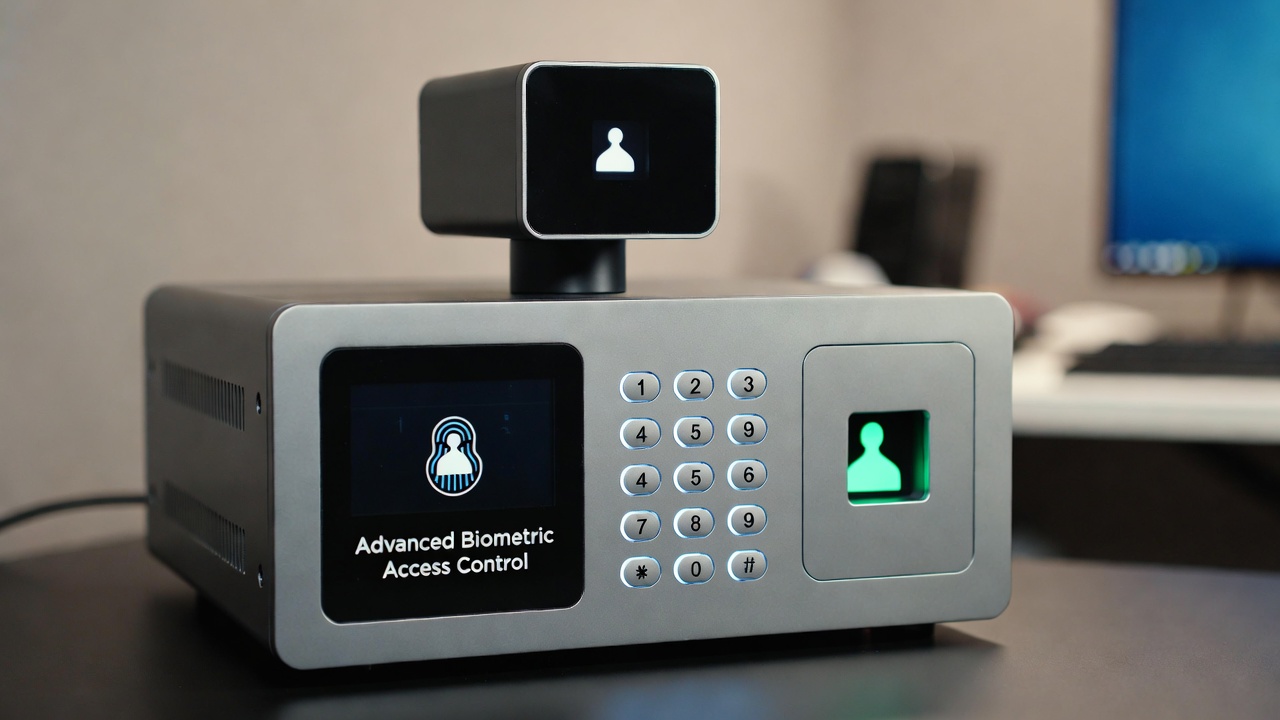
Illinois companies are upgrading to advanced biometric access control systems in 2026 primarily due to strict BIPA compliance needs, rising security threats in areas like Chicago, demand for touchless and efficient entry post-pandemic, and stronger privacy-focused tech like decentralized storage.
What Are Advanced Biometric Access Control Systems?
These systems verify identity using unique traits such as facial recognition, fingerprints, or iris scans instead of keys or cards. They offer higher security because traits can’t be lost or easily copied.
In Illinois, they often pair with AI for real-time checks and integrate into smart buildings.
Why Does BIPA Push Illinois Companies Toward Upgrades?
Illinois’ Biometric Information Privacy Act (BIPA) requires clear consent, secure data handling, and retention policies for biometrics. Violations can lead to lawsuits with penalties up to $5,000 per incident.
Recent 2024 amendments capped some damages to one per person, but litigation remains active in 2025–2026, especially around AI tools and consent. Chicago-area firms upgrade to compliant, decentralized systems (data stored on-device) to reduce legal risks.
What Security and Efficiency Benefits Drive Adoption?
Chicago saw ongoing commercial security concerns in recent years. Biometrics cut unauthorized access, prevent badge sharing, and enable fast, contactless entry—ideal for offices, healthcare, and finance.
Trends show facial recognition becoming standard for mid-sized businesses, with AI adding behavioral checks. Upgrades lower long-term costs by eliminating card replacements and admin time.
Key Trends for Illinois Businesses
- Privacy-first designs with on-device processing to meet BIPA.
- Multi-modal biometrics (face + voice) for better accuracy.
- Integration with mobile credentials and cloud monitoring.
- Growth in contactless kiosks for visitor and employee access.
Market data indicates strong U.S. biometric growth, with access control expanding due to security and compliance demands.
Traditional vs. Advanced Biometric Access Control
| Feature | Traditional (Cards/Keys) | Advanced Biometric |
|---|---|---|
| Security | Medium (easy to copy) | High (unique traits) |
| BIPA Compliance | Low | High (consent & storage) |
| Entry Speed | Slow | Seconds, touchless |
| Cost Long-Term | High replacements | Lower (no physical items) |
| Illinois Benefit | Basic | Reduces lawsuits & risks |
FAQs
Why upgrade to biometrics in Illinois right now?
- BIPA lawsuits continue in 2026, pushing firms to compliant systems. Biometrics also boost security against rising threats while offering touchless convenience.
Is biometric data safe under 2026 rules?
- Yes—decentralized storage keeps data on-device, not centralized servers. This aligns with BIPA and reduces breach risks.
How affordable are upgrades for Chicago businesses?
- Costs vary by site size, but ROI comes fast from fewer incidents and easier management. Many see payback in 1–2 years.
Do biometrics work with current security?
- Yes—they integrate well with video, alarms, and smart systems for full coverage.
Which Illinois sectors lead adoption?
- Healthcare, finance, education, and retail in Chicago and suburbs prioritize it for compliance and high-value protection.
Ready to explore advanced biometric access control for your Illinois business?
Contact Sentry Security today at 847.353.7200 or service@sentrysecurity.com.