
Before you install a single camera, you need to know exactly where Illinois law allows you to point it. Placing cameras in the wrong locations creates serious legal exposure.
This guide covers every major zone in a commercial property and whether it can be monitored.
The Core Legal Standard in Illinois
Illinois surveillance law is guided by the concept of reasonable expectation of privacy. In areas where employees, customers, and visitors understand they may be observed, video recording is generally permitted. In areas where people reasonably expect privacy, recording is prohibited.
This standard applies across all business types, from a small retail shop in Naperville to a corporate campus in the Chicago Loop.
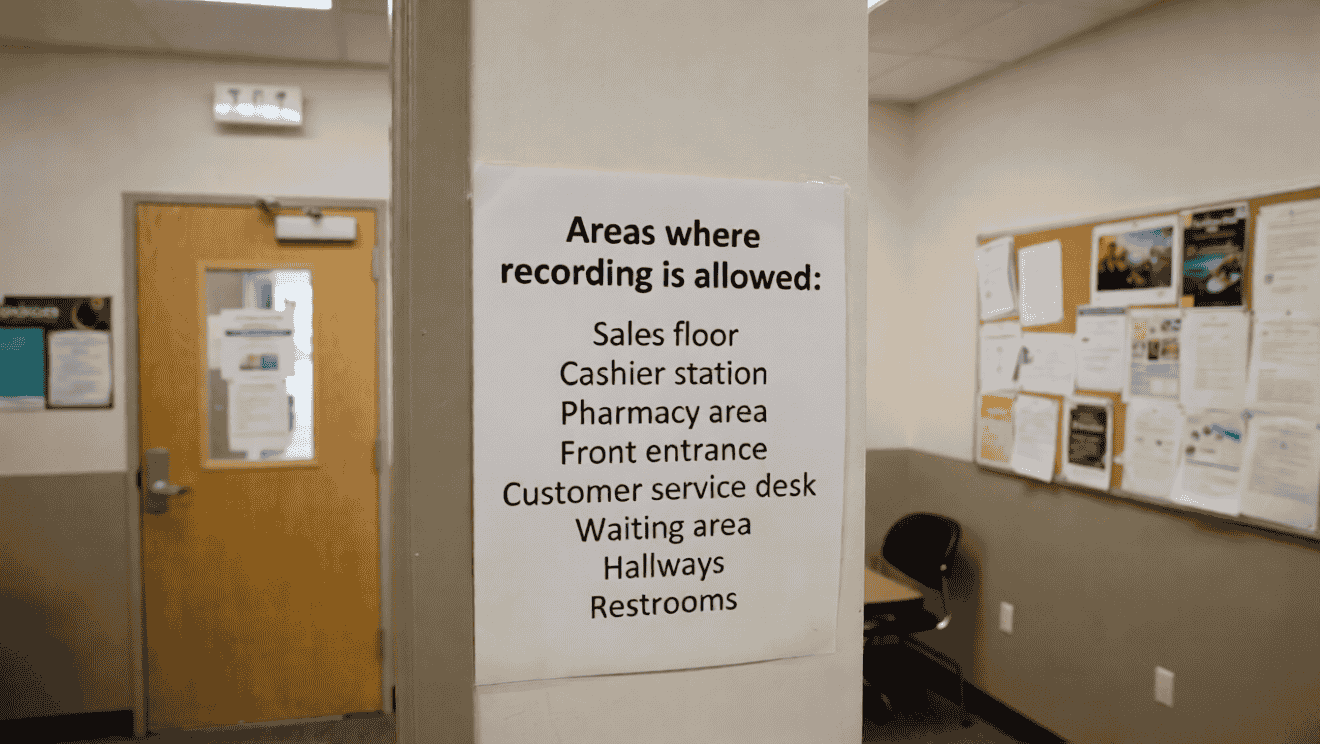
Areas Where Video Recording Is Generally Permitted
- Building Entrances and Exits: All exterior and interior access points are appropriate camera zones. Monitoring who enters and exits your facility is one of the most valuable uses of video surveillance.
- Retail Sales Floors: Customer-facing areas where shopping, service, and transactions occur can be recorded. This includes checkout counters, display aisles, and service desks.
- Parking Lots and Exterior Grounds: Outdoor areas on business property are generally acceptable for camera placement. Lighting is critical for usable night footage.
- Warehouses and Production Floors: Operational areas where employees work openly are recordable. These zones see the highest ROI from surveillance in industrial settings.
- Server Rooms and IT Infrastructure: Restricted access areas with high-value equipment can and should be monitored. Access control integration adds an additional layer.
- Reception and Lobby Areas: Common arrival points where visitors check in are standard camera locations in corporate and medical buildings.
Sentry Security surveys your property and designs a camera layout that covers every critical zone legally and effectively.
Call 847.353.7200 to schedule a free assessment.
Areas Where Recording Is Prohibited in Illinois
- Restrooms: No exceptions. Installing any recording device in a restroom is a criminal act in Illinois regardless of business purpose.
- Locker Rooms and Changing Areas: Anywhere employees change clothing is strictly off-limits. This includes gym locker areas, factory changing rooms, and staff break-room areas that double as changing spaces.
- Private Offices Used for Confidential Meetings: Offices where medical evaluations, legal consultations, or HR conversations occur may carry stronger privacy protections. Camera placement in these spaces requires careful legal review.

The Gray Zones: Break Rooms and Open Offices
Break rooms and open-plan offices occupy a legal middle ground. In most cases, cameras in break rooms are permitted as long as employees are generally aware of the surveillance. However, if break rooms are used for union organizing activities, Illinois labor law may limit surveillance there.
Open-plan offices are generally recordable. Private offices where individuals have a reasonable expectation of seclusion carry more risk.
Do You Need Signage for Cameras in Illinois?
Illinois does not have a blanket statute requiring posted signs for every camera. However, posted signage is one of the strongest practical protections against legal challenges. Sentry Security recommends signage at all building entrances as standard practice.
From retail in Chicago to logistics hubs in the suburbs, Sentry Security builds camera systems that cover the right areas and stay inside the law.
Reach us at 847.353.7200 or service@sentrysecurity.com.
Frequently Asked Questions
| Can I put cameras in my employee break room in Illinois? | In most cases yes, with proper disclosure. If the break room is used for union organizing, consult an employment attorney first. |
| Do I need a permit to install security cameras in Illinois? | Illinois does not have a statewide permit requirement for camera installation, but Chicago and some municipalities may have local requirements. Check with your local government. |
| Can cameras be installed outside my building without notice? | Yes. Exterior cameras on your own property are generally legal without individual notice. Pointing cameras onto neighboring property without consent is a different matter. |
| What happens if I install cameras in an off-limits area? | Illinois law treats certain recording violations as criminal offenses, not just civil liability. Penalties can include fines and imprisonment. |
Ready to plan a compliant camera layout for your Illinois facility? Contact Sentry Security.